In the fast-paced world of retail, how your display looks really makes all the difference. That’s where Ceramic Display Stands come into play. They’re not just about being practical—they also help make your products look more stunning. As buyers from around the globe look for unique and high-quality display options, sourcing from China opens up some pretty awesome possibilities.
Chinese manufacturers, like Shandong Yuncheng and Jingdezhen Ceramics, are pretty famous for their craftsmanship and fresh ideas in ceramics. They offer a wide range of designs too. But let’s be honest, finding the right partner isn’t always a walk in the park. It takes a bit of digging—you want to pay attention to quality, pricing, and whether you can trust them. Checking certifications and reading reviews can really help you avoid headaches down the line.
Using Ceramic Display Stands can totally change the vibe of your retail space. They can really make your products pop and grab customers’ attention. But, don’t forget to think about sustainability—are the materials eco-friendly? Does it match your brand’s values? As you explore these options, keep in mind the importance of quality and responsibility. After all, it’s not just about looking good, but also doing good.
Overview of Ceramic Display Stands: Types and Materials
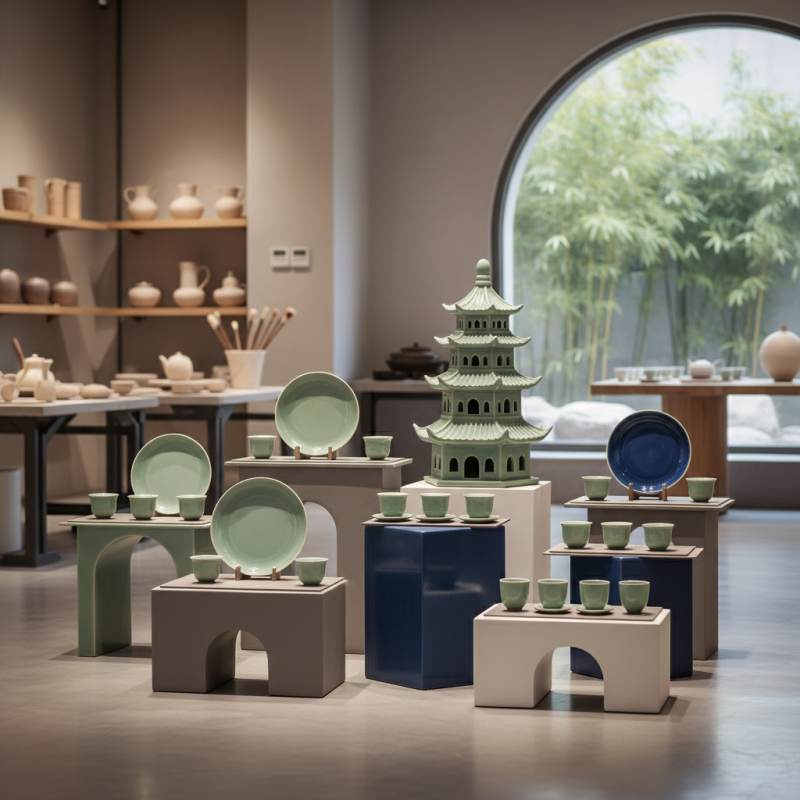
Ceramic display stands come in various types and materials, offering versatility for global buyers. The materials often include earthenware, stoneware, and porcelain, each with unique properties. Porcelain stands are known for their durability and elegant look. Earthenware is more rustic, providing a cozy aesthetic for displays.
According to the Global Market Insights report, the ceramic display market is projected to grow significantly, with a CAGR of 6.5% over the next five years. This growth reflects the increasing demand for aesthetically pleasing presentation solutions. Businesses are glancing towards integrating ceramic stands with Wooden Door Display Stands, combining traditional and contemporary styles.
Tip: When selecting a display stand, consider the weight of the items you'll display. Heavier items may require thicker or sturdier stands for structural integrity. Be mindful of how different materials interact. Ceramic can sometimes chip, especially if combined with heavy wooden displays; overall cohesion is essential. Pay attention to the color palette too, as mismatched materials can detract from a cohesive display theme.
Top Ceramic Display Stands: Material Composition by Type
Key Factors to Consider When Choosing Ceramic Display Stands
When selecting ceramic display stands, several factors come into play. Quality is paramount. The material should be durable yet elegant. Look for items that showcase craftsmanship. The finish must be smooth and aesthetically pleasing. A perfect stand elevates the displayed items, drawing attention effortlessly.
Size and design are also crucial. Consider the space available. Display stands that are too large can overwhelm a small area. Conversely, small stands may not highlight larger items effectively. The design should complement the displayed products. It should not be overly ornate, which can distract from the ceramics.
Additionally, consider the stability of the stands. A well-balanced display minimizes the risk of tipping. This is particularly important for delicate items. In contrast, some buyers may overlook practicality for style. It’s vital to find a balance. Exploring options like Wood Flooring Display Stands can provide a unique aesthetic. They offer natural warmth and can enhance the overall presentation. Ultimately, thoughtful choices lead to impactful displays.
Top Chinese Manufacturers of Ceramic Display Stands
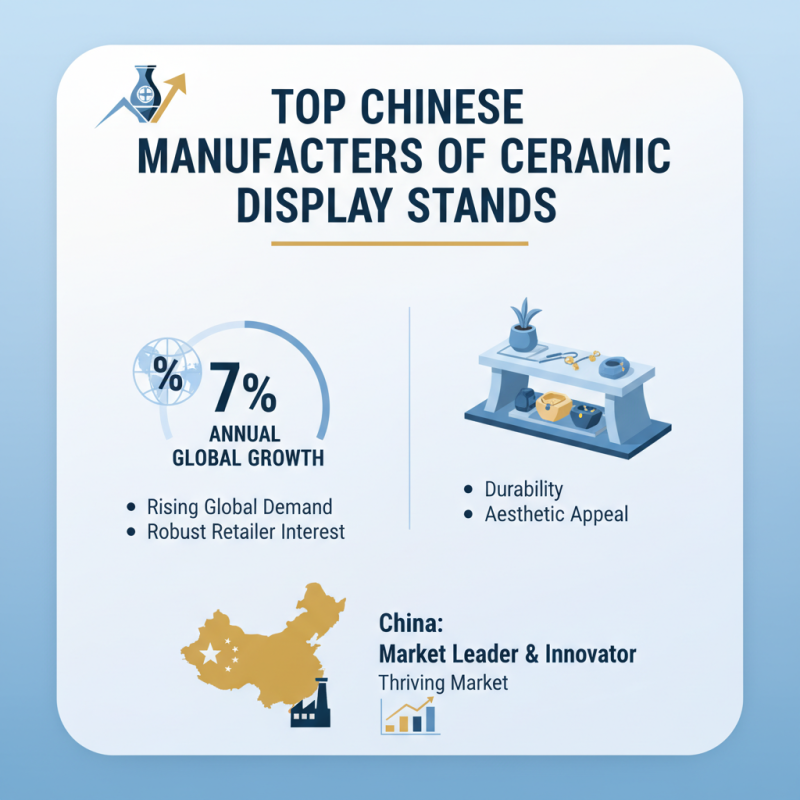
The ceramic display stand market is thriving, particularly in China. Data from industry reports show that the demand for these stands is rising globally. Key features of these products include durability and aesthetic appeal. Globally, the ceramic display stand industry is projected to grow by over 7% annually, reflecting robust interest from various retailers.
Chinese manufacturers play a significant role in this growth. They have honed their production techniques, creating stands that meet diverse consumer needs. This adaptability is crucial for Tile Showroom Display Stands, where design and functionality intersect. Reports indicate that quality control and sustainable practices are top priorities for leading producers. However, not all manufacturers uphold these standards, leading to inconsistencies in product reliability.
With increased competition, some manufacturers may cut corners. This can affect the overall quality of ceramic display stands. Global buyers must exercise caution when selecting suppliers. Investigating a manufacturer's reputation and product reviews is essential. Additionally, transparency in sourcing materials can indicate a manufacturer's commitment to quality, guiding buyers toward better choices.
Popular Designs for Ceramic Display Stands in Global Markets
Ceramic display stands have gained immense popularity in global markets. Their aesthetic appeal and versatility make them ideal for various settings. From retail shops to art galleries, these stands are crucial for showcasing ceramic art. Buyers seek unique designs to attract attention. This demand opens doors for exquisite craftsmanship from China.
Popular designs often blend traditional and modern elements. Bright colors and intricate patterns catch the eye. Some stands use natural materials to highlight the ceramic pieces. While many opt for sleek lines and minimalist styles, others prefer vintage designs to evoke nostalgia. It's essential to consider both functionality and aesthetics when choosing a display stand. Each piece must enhance the displayed items rather than overshadow them.
However, navigating the vast options can be overwhelming. Quality might vary significantly, leading to unsatisfactory purchases. Buyers must assess durability and stability. This includes researching suppliers thoroughly. For example, Granite Sample Display Stands offer robust support while adding elegance. This reflects the importance of informed decision-making in selecting the right ceramic display stands. Understanding market trends and buyer preferences is crucial for successful sourcing.
Quality Standards and Certifications for Ceramic Display Stands
When sourcing ceramic display stands from China, quality standards and certifications are crucial. The ceramic industry often adheres to various regulations, ensuring that products meet international safety and performance benchmarks. Look for certifications like ISO 9001 and ISO 14001. These indicate quality management and environmental responsibility.
Tips: Always request documentation for certifications. This helps verify the manufacturer's claims.
In addition, consider the materials used in production. High-quality ceramics should be non-toxic and durable. Being mindful of the glazing process is essential too, as improper glazing can lead to harmful substances leaching over time.
Tips: Inspect product samples before bulk orders. This allows buyers to assess quality firsthand.
Some manufacturers may not fully understand international standards. This can create gaps in quality assurance. Therefore, establishing strong communication and clarity is key. This allows both parties to align on expectations and requirements.
Pricing Trends for Ceramic Display Stands from China
Pricing trends for ceramic display stands from China show a dynamic landscape. Over the past year, buyers have noted fluctuations in prices. Factors such as raw material costs and labor expenses play a significant role. Reports indicate that high-quality materials lead to higher prices, which sometimes deter global buyers. Yet, the demand for elegant and durable ceramics continues to grow.
Many buyers appreciate the craftsmanship in these products, although some find it challenging to navigate the market. Pricing disparities can arise due to varying supplier standards. Bulk orders often lead to discounts, but smaller quantities may incur higher costs. Understanding the market is essential for effective purchasing decisions.
The impact of global events can also influence trends. Supply chain disruptions can lead to unexpected price hikes. Buyers should remain vigilant about these changes. Engaging with multiple suppliers can provide better insights into pricing strategies. Transparent communication is crucial for establishing trust and ensuring long-term partnerships.
Top Ceramic Display Stands from China for Global Buyers - Pricing Trends
| Type | Size (cm) | Material | Price Range (USD) | Popular Colors |
| Tabletop Stands | 30 x 15 | Ceramic | $20 - $35 | White, Blue, Green |
| Wall-mounted Stands | 40 x 20 | Porcelain | $25 - $50 | Red, Black, Yellow |
| Floor Stands | 60 x 30 | Stoneware | $40 - $70 | Cream, Grey, Aqua |
| Tiered Stands | 50 x 40 | Earthenware | $30 - $55 | Mint, Pink, Black |
Logistics and Shipping Considerations for Global Buyers
When sourcing ceramic display stands from China, logistics plays a critical role. Efficient shipping can significantly influence overall costs. According to a 2023 report by the International Air Transport Association, shipping fees have surged by 40% in the past two years. This increase directly impacts pricing strategies for global buyers. Understanding these logistics is essential.
Let's consider the shipping methods. Air freight is faster but might not be cost-effective for bulk purchases. Ocean freight is usually cheaper, catering to larger shipments. However, it involves longer transit times, sometimes stretching to several weeks. Proper planning can mitigate potential delays and unexpected costs.
Buyers should also be aware of customs procedures. A report from the World Bank indicates that improper documentation can delay shipments by up to 30%. This not only increases costs but may also affect sales timelines. Investing time in understanding shipping regulations can lead to smoother logistics and better overall outcomes.
FAQS
: Focus on quality, durability, and elegance. Choose well-crafted items for an effective display.
Size must fit the space available. Too large or too small stands can disrupt the overall aesthetic.
Stability prevents tipping, especially for delicate items. A well-balanced stand is crucial for safety.
Blending traditional and modern elements works well. Bright colors and sleek lines attract attention.
Check for certifications, such as ISO 9001. Request documentation to verify quality claims.
Stay away from toxic materials. Ensure glazing is done properly to prevent harmful leaching.
Ask for certification documents. Inspect product samples before making bulk orders.
Quality varies significantly. Unsatisfactory purchases can occur without thorough research and supplier assessment.
Misunderstandings can affect quality assurance. Clear communication helps align expectations on requirements.
The display stand must enhance, not overshadow, the displayed items. Balance is essential for a successful display.
Conclusion
Ceramic Display Stands serve as essential fixtures for showcasing products in various settings, ranging from retail stores to exhibitions. This article provides an overview of different types and materials used in ceramic display stands, helping global buyers make informed choices. Key factors to consider include design, durability, and compatibility with the intended display environment.
The piece also highlights prominent Chinese manufacturers known for their quality offerings and explores popular designs that resonate with international markets. Additionally, it discusses quality standards and certifications that ensure reliability, along with current pricing trends and logistical considerations for shipping ceramic display stands globally. By understanding these aspects, buyers can effectively navigate the market and select the best ceramic display stands for their needs.