0%

Picking the right Tile Rack isn’t just about storage — it can actually impact warehouse safety, shipping costs, and how good your product looks when it reaches the customer. Plus, it affects how quickly your installers can get to each batch of tiles. When you’re sourcing globally, don’t be fooled by the lowest price quote — there’s usually more beneath the surface. Things like rack size, steel thickness, surface protection, and loading methods need to be looked at carefully.

A good rack should match your tiles’ size, weight, and the equipment you use to handle them. For example, with ceramic or Porcelain Tiles, adjustable supports can help reduce pressure on the edges during storage. Smooth contact points are key, too — they prevent scratches on polished surfaces. And don’t forget about the base: it needs to be sturdy and stable, especially when forklifts are zipping around nearby. Sometimes, it’s the little things that make a big difference.

Experienced buyers usually ask for detailed drawings, load data, material specs, and even samples to check out in person. They also compare how well suppliers communicate, the quality of packaging, how strictly production is controlled, and whether spare parts are readily available. These checks are way more reliable than just going on shiny product photos. Test reports can help, too, but only if they match the actual rack you’re considering.

When you’re dealing with global shipping, there are extra layers of concern — like container space, corrosion protection, how long assembly takes, and export packing. Sometimes, what works great in one warehouse might not be suitable in another. The sourcing process gets messier than you might expect. I’ve seen buyers overlook aisle width and only realize there's a problem after the rack’s already been delivered — which can be a costly mistake. Luckily, many pitfalls are avoidable, but you can’t predict everything.

This guide is here to help you compare suppliers better, evaluate the actual quality of the racks, and make smart choices with confidence. It also digs into some common assumptions in purchasing that are worth a second look. Remember, solid decisions come from paying attention to the details, keeping communication clear, and thoroughly verifying everything. It’s all about making smarter, more informed choices in the end.
How to Choose the Best Tile Rack for Global Sourcing?

Define Tile Rack Types and Their Main Applications

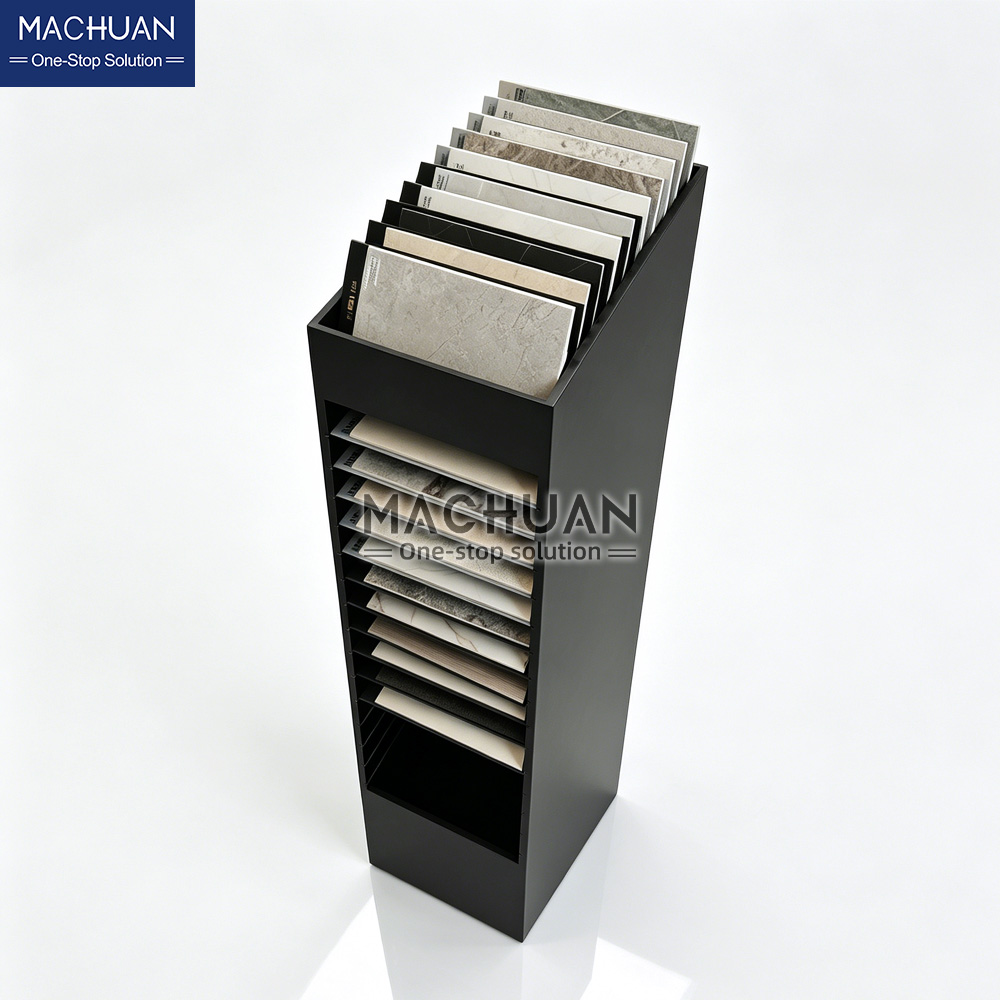
When sourcing tile racks globally, define the rack type before comparing prices. An A-frame rack stores large slabs upright and supports quick showroom viewing. Its angled rails reduce leaning pressure during customer handling. A Vertical Display rack suits ceramic and porcelain tiles in sample rooms. It uses narrow slots, labels, and removable dividers. This design saves floor space but may limit oversized tile storage.

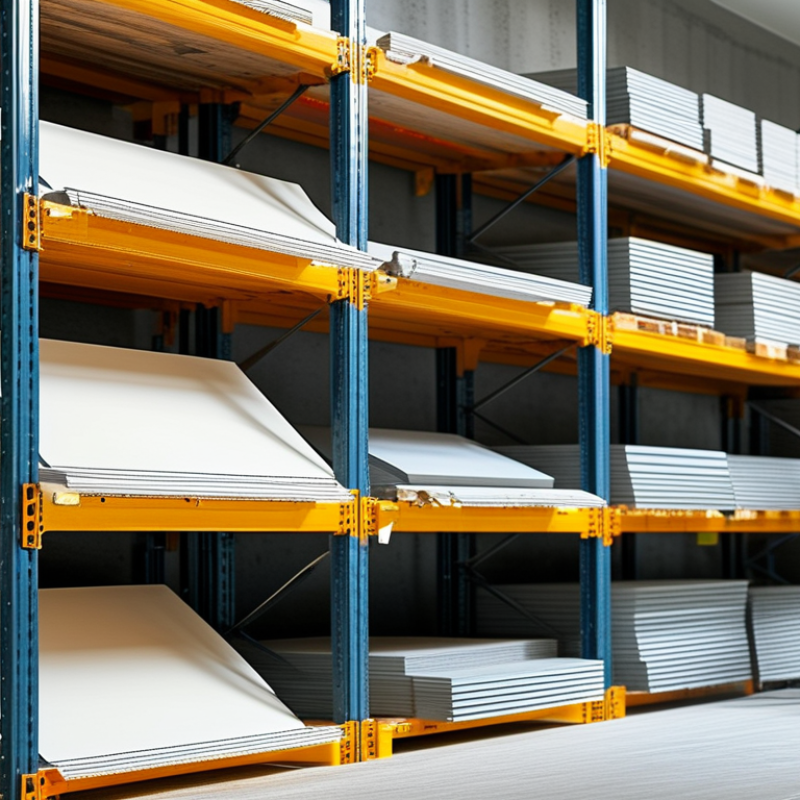
Pallet tile racks serve warehouses and distribution areas. They hold boxed tiles on pallets, often with adjustable beams and strong steel uprights. Check the stated load capacity, beam spacing, and floor anchoring method. A sample rack works better for small selections, color boards, and Tile On Tile displays. It helps buyers compare textures under consistent lighting. However, dense samples can make the rack unstable if weight is uneven.

Application should guide the final choice. Showrooms need clean visibility, safe access, and flexible reconfiguration. Warehouses need high capacity, forklift clearance, and impact-resistant finishes. Temporary project sites may require foldable racks with simple assembly. During supplier checks, request drawings, material specifications, load tests, and packaging details. I once preferred a compact rack that looked efficient, but its narrow base made loading awkward. That mistake still influences my evaluations. A cheaper rack is not automatically practical. Inspect welds, fasteners, protective edges, and replacement-part availability before purchase. Even small design gaps can damage tile corners or slow daily work.

How to Choose the Best Tile Rack for Global Sourcing?

Tile Rack Types and Their Main Applications

Cantilever and pallet racks are generally preferred for high-volume warehouse storage because they support heavier loads. A-frame and slotted-panel racks are more suitable for Showroom Display, sample organization, and faster product selection. The capacity figures shown are typical planning ranges for standard industrial configurations and should be verified against the supplier’s engineering specifications.

Assess Load Capacity, Dimensions, and Storage Requirements

How to Choose the Best Tile Rack for Global Sourcing?

A tile rack should match the real weight of your shipment, not only its advertised capacity. Calculate the total load, including tiles, pallets, packaging, and possible moisture. Ceramic and stone products can create heavy, uneven pressure. Distribute weight across every level. Never rely on one central support. A rack rated for 1,000 kilograms may perform poorly when that load sits on one side. Measure twice.

Check the rack’s height, width, depth, and aisle clearance against your warehouse layout. Record the tile box dimensions, stacking direction, and forklift access before requesting quotations. Leave room for handling. Tight spacing can damage corners and slow inspections. I once allowed enough storage volume but forgot the turning radius of handling equipment. That assumption was wrong. Small errors matter during international delivery.

Storage conditions also influence the specification. Coastal warehouses may need stronger corrosion protection, while humid areas require better packaging ventilation. Ask suppliers for load tests, material specifications, assembly instructions, and dimensional tolerances. Request drawings with millimeter measurements, not rough product images. Compare the packed rack size with container limits and local unloading equipment. Confirm whether replacement parts are available in your destination market. A practical trial with sample cartons can reveal bending, vibration, or unstable stacking before a larger purchase. Some estimates will still be imperfect, so record actual loading results and revise the specification after the first shipment.

Compare Materials, Finishes, and Product Durability

A Floor Tile Display Rack must survive more than showroom traffic. In global sourcing, material choice affects freight weight, assembly, and service life. Powder-coated steel offers strong load support and resists everyday scratches. Aluminum is lighter, but softer edges may dent during repeated handling. Solid wood adds warmth, although humidity can cause movement without proper moisture control. I have seen attractive racks fail because their bases were too light. Stability deserves attention before appearance.

Finish quality should be checked under bright, angled light. Look for even coverage, sealed welds, smooth corners, and no exposed metal. A textured powder coat can hide small marks, but it may collect dust around tile samples. Chrome-like finishes look clean, yet fingerprints appear quickly. For coastal or humid warehouses, request corrosion testing and verify coating thickness through supplier records. Do not rely on photographs. Ask for production samples, load tests, and packaging trials. A rack may pass a static test and still loosen after months of movement.

Specify tile dimensions, sample weight, rack spacing, wheel type, and replacement parts in writing. Suppliers should provide material declarations, inspection reports, and clear tolerance ranges. Check whether fasteners remain accessible after assembly. This detail matters when a display must be repaired locally. I would also test one unit through actual loading, unloading, and cleaning. My own preference has changed: the most polished finish is not always the most durable. A small scuff can reveal that. Durable sourcing means accepting evidence over promises.

Evaluate Safety Features, Compliance, and Quality Standards

When sourcing a Tile Display Stand Rack globally, safety should guide every specification. A stable frame prevents costly accidents in busy showrooms. Check the tested load rating, base width, and anti-tip performance before comparing prices. Rounded corners and protected edges reduce injuries during customer handling. Locking casters can improve mobility, but weak brakes create another risk.

Compliance requirements differ by destination market. Ask suppliers for material declarations, coating information, inspection records, and traceable batch details. Quality checks should cover welds, fasteners, surface finish, and repeated loading. Look for corrosion resistance when racks may face humidity or frequent cleaning. In my sourcing experience, photographs are useful, but they rarely prove structural quality. An independent inspection is more dependable. Still, inspection reports can contain gaps, so review test methods carefully.

Tips: Place sample tiles on the rack during testing. Watch for bending, vibration, or uneven movement. Confirm that shelves remain secure after repeated adjustments. Request clear instructions for assembly and maintenance. Do not accept vague claims such as international quality. Ask which standard was followed and whether it applies to the intended market. I once underestimated packaging strength; the rack passed inspection but arrived with damaged corners. That mistake showed me that delivery protection belongs in quality evaluation too.

Review Suppliers, Manufacturing Capabilities, and Customization Options

How to Choose the Best Tile Rack for Global Sourcing?

Supplier review should begin with evidence, not polished catalog images. Request factory photos, material certificates, welding procedures, and recent load-test records. The World Steel Association reported global crude steel production of about 1.89 billion tonnes in 2023. This scale does not guarantee consistent rack quality. Steel grade, tube thickness, weld penetration, and corrosion protection still require verification. Ask whether the supplier controls cutting, welding, surface treatment, and final packing in-house. Outsourcing one critical process can weaken traceability.

Manufacturing capability matters during real warehouse use. Request a sample rack and test it with uneven tile loads, repeated forklift movement, and humid storage conditions. Check base stability, corner protection, stacking limits, and replacement-part availability. UNCTAD reported that global seaborne trade grew 2.4% in 2023, increasing pressure on packaging and delivery planning. A supplier should provide export packing drawings, container-loading plans, and clearly defined inspection points. Small details matter.

Customization should solve handling problems, not create decoration. Useful options include adjustable dividers, reinforced feet, removable panels, protective caps, and flat-pack structures. Confirm drawings, tolerances, minimum order quantities, tooling charges, and change-control procedures before production. One uncomfortable lesson is that cheaper customization often hides higher installation labor. Even experienced buyers can miss this. Compare landed cost, not unit price alone. Require an independent pre-shipment inspection when order value or failure risk is significant. The best supplier may not offer the lowest quote. Reliability is built through measurable controls.

How to Choose the Best Tile Rack for Global Sourcing? — Supplier Review, Manufacturing Capabilities, and Customization Options
Supplier Profile Primary Production Region Rack Types Main Materials Typical Capacity Manufacturing Capabilities Customization Options Quality & Compliance MOQ Sample Lead Time Bulk Lead Time Indicative Evaluation
Profile A East Asia Floor-standing display racks; A-frame racks Powder-coated carbon steel; galvanized steel shelves 24–48 tile samples; 300–600 kg per rack Tube cutting, CNC bending, robotic welding, powder coating, flat-pack assembly Dimensions Shelf spacing Color Logo plate Weld inspection, coating-thickness checks, carton drop testing; ISO 9001 available upon request 50–100 units 10–15 days 30–45 days Strong for volume sourcing
Good balance of capacity and cost
Profile B South Asia Pull-out sample racks; drawer-style tile cabinets Mild steel; stainless steel hardware; laminated panels 40–80 tile samples; 250–500 kg per cabinet Sheet-metal laser cutting, press-brake forming, MIG welding, manual assembly Drawer count Panel size Handle type Finish Dimensional inspection, load testing, surface-finish inspection; export packing available 25–50 units 12–18 days 35–55 days Strong for organized sampling
Suitable for showrooms and distributors
Profile C Eastern Europe Heavy-duty pallet racks; warehouse tile storage frames High-strength structural steel; zinc-coated components 800–2,000 kg per bay Roll forming, automated punching, structural welding, hot-dip galvanizing coordination Bay width Beam height Load rating Anchoring Load-rating documentation, weld inspection, coating inspection; EN 15635-based installation guidance may be provided 10–20 units 15–25 days 40–60 days Strong for warehouse use
Higher freight weight and installation needs
Profile D Southeast Asia Mobile showroom racks; rotating display towers Powder-coated steel; aluminum profiles; laminated board 18–36 tile samples; 150–350 kg per unit Profile cutting, CNC routing, spot welding, caster installation, modular assembly Caster type Rotation angle Brand panel Module count Wheel-brake testing, stability testing, assembly inspection; custom packaging available 50 units 14–21 days 35–50 days Strong for retail mobility
Prioritize stability testing before approval
Profile E Latin America Retail grid racks; wall-mounted tile panels Cold-rolled steel; MDF or plywood backing; plastic edge trim 12–30 tile samples; 100–250 kg per panel Laser cutting, powder coating, panel cutting, local assembly and installation Wall width Panel layout Shelf angle Color Wall-load review, dimensional checks, packaging inspection; local installation support may reduce project risk 20–40 units 10–20 days 30–50 days Strong for regional fulfillment
Useful when delivery distance is a priority
Profile F Western Europe Premium modular showroom systems; sample boards Aluminum; steel; tempered glass; engineered wood 20–60 tile samples; 200–450 kg per system Precision machining, modular joining systems, anodizing, powder coating, final assembly Display format Lighting channels Module size Finish Material traceability, dimensional inspection, glass safety checks; project documentation typically available 10–25 units 20–30 days 45–75 days Strong for premium presentation
Higher unit price but refined finish
Profile G North Africa Basic floor racks; vertical tile stands Painted steel; wire mesh; rubber feet 16–32 tile samples; 150–300 kg per rack Tube bending, wire forming, manual welding, liquid painting Height Tile slots Paint color Feet Basic dimensional and stability checks; third-party inspection recommended for large orders 100–200 units 15–25 days 35–60 days Strong for cost-sensitive projects
Confirm corrosion protection and packaging standards
Profile H North America Retail sample boards; compact countertop racks Powder-coated steel; aluminum; high-pressure laminate 10–24 tile samples; 80–200 kg per unit Short-run fabrication, CNC routing, laser cutting, local powder coating, rapid prototyping Prototype design Sample format Shelf angle Assembly Prototype approval process, dimensional reports, packaging validation; suitable for smaller regional orders 10–30 units 7–14 days 20–40 days Strong for low-volume customization
Fast development with higher labor cost
Comparison criteria include production capability, load capacity, customization depth, quality controls, minimum order quantity, and lead time. All figures are typical sourcing ranges and should be confirmed through technical drawings, samples, inspection plans, and destination-market requirements before purchase.

Calculate Total Sourcing Costs, Logistics, and Delivery Risks

How to Choose the Best Tile Rack for Global Sourcing?

Calculate Total Sourcing Costs, Logistics, and Delivery Risks

A low unit price does not guarantee a cost-effective tile rack. Calculate the complete landed cost before comparing suppliers. Include the rack price, export packing, inland transport, ocean or air freight, insurance, customs duties, and destination delivery. Storage and inspection fees also deserve attention. They are easy to overlook.

For a Mosaic Tile Display Rack, measure packed dimensions and gross weight carefully. A rack may fit a showroom but waste container space during shipment. Confirm pallet height, carton strength, stacking limits, and moisture protection. Ask for photos of packed goods, not only finished products. Packaging changes everything. One damaged corner can delay installation and create replacement costs.

Delivery risk requires more than a promised date. Check production capacity, port congestion, seasonal weather, transshipment points, and customs document accuracy. Request a realistic shipping schedule with buffer days. A small trial order can reveal weak packaging or unstable assembly quality. My first sourcing estimate was too optimistic because I ignored local unloading charges. That mistake changed the final price significantly.

Keep three scenarios in your worksheet: normal delivery, delayed delivery, and damaged-goods replacement. The cheapest option may become expensive after one disruption. Supplier communication matters too. Clear drawings, load requirements, and inspection standards reduce avoidable surprises.

FAQS

Which tile rack type suits large slabs?

An A-frame rack stores large slabs upright. Angled rails reduce leaning pressure during handling. Keep the base stable. Oversized slabs still need careful loading.

When is a vertical display rack useful?

It suits ceramic and porcelain samples. Narrow slots save showroom floor space. Removable dividers support different tile sizes. Very large tiles may not fit.

What makes pallet racks suitable for warehouses?

Pallet racks hold boxed tiles in distribution areas. Adjustable beams support changing load sizes. Check capacity, beam spacing, and floor anchoring. Forklift clearance matters.

What should a sample rack display?

Use it for small selections and color boards. Consistent lighting helps buyers compare surfaces. Uneven sample weight can reduce stability. Dense samples are a warning sign.

Which safety features deserve close inspection?

Check tested load ratings, wide bases, and anti-tip performance. Rounded corners protect hands during customer handling. Locking casters need strong brakes. Weak brakes create movement risks.

What quality documents should suppliers provide?

Request drawings, material details, coating information, and load-test records. Ask for traceable batch information. Packaging details also matter. Vague quality claims are not enough.

How can buyers test a rack before purchase?

Place real sample tiles on the rack. Watch for bending, vibration, or uneven movement. Adjust shelves repeatedly. They should remain secure. Photos help, but they cannot prove everything.

Why should packaging be part of the evaluation?

Strong packaging protects corners during international delivery. Inspect wrapped edges, internal supports, and impact protection. I once ignored packaging strength. The rack passed inspection but arrived damaged. That mistake still affects my reviews.

Conclusion

Choosing the best Tile Rack for global sourcing requires a structured evaluation of both operational needs and long-term value. Start by identifying the appropriate rack type and intended application, such as showroom display, warehouse storage, or production handling. Assess load capacity, rack dimensions, spacing, and storage requirements to ensure efficient use of available space. Material selection is equally important: compare steel, aluminum, and other suitable options by considering surface finishes, corrosion resistance, structural stability, and expected service life.

Buyers should also review safety features, quality control procedures, and compliance with applicable international standards. Evaluating a supplier’s manufacturing capabilities, production consistency, experience, and customization options can help ensure the rack meets specific project requirements. Finally, calculate the total sourcing cost, including unit price, packaging, transportation, duties, installation, and potential delays. A reliable sourcing decision balances durability, safety, capacity, supplier performance, logistics reliability, and overall cost rather than focusing only on the initial purchase price.


Evelyn

Evelyn

Evelyn is a seasoned marketing professional at Machuan Display, boasting 16 years of experience in the retail display systems industry. With a deep understanding of the intricacies involved in design, research and development, and manufacturing, she has established herself as an invaluable asset to......
Previous 7 Best Carpet Roll Stands for Global Buyers