Picking the right Wall Tile Holder is actually pretty important when you're working on a tiling job. If you choose a good one, it can really make your life easier and help you get a smoother, more professional-looking finish. Did you know that back in 2022, The Tile Association reported that about 75% of DIYers struggle with placing their tiles correctly? Yeah, that often leads to messy results and wasted material—ouch.
Getting a good sense of what's out there in the market is key. Experts and pros alike say that the right tile holder can cut down your installation time by almost a third. For pros, that’s a big deal—it means saving on labor costs and keeping clients happy. Of course, not all holders are equal; some might not hold up well if you're dealing with heavy tiles or uneven surfaces.
Honestly, putting together a solid workspace means choosing tools that really fit your specific needs. There are tons of options out there, which can be kinda overwhelming. That’s why taking some time to do your homework is worth it. Look for honest reviews and advice from experts—trust me, it makes a difference. At the end of the day, picking a dependable Wall Tile Holder can totally change how smoothly your project goes—and save you from a lot of headaches.
Understanding Different Types of Wall Tile Holders Available on the Market
When selecting a wall tile holder, it's essential to understand the various options available. Wall-mounted art holders come in several styles, including adhesive, magnetic, and traditional bracket types. According to recent industry reports, adhesive holders account for over 40% of the market due to their ease of installation and versatility. They are commonly made from materials like plastic or metal, which allows them to blend easily with different interior designs.
Additionally, magnetic wall tile holders are gaining popularity. This type offers a unique flexibility. It allows users to change Tile Displays without damaging walls or surfaces. Research indicates that they are particularly favored in creative spaces, such as offices and cafés, where artwork may frequently change. However, the effectiveness of magnets can vary based on the weight of the tiles being used.
Another consideration is the traditional bracket holder. While more secure, they require drilling into the wall, which may deter some users. A survey showed that 25% of homeowners worry about potential damage when using this method. Each type has its advantages and potential drawbacks, making careful evaluation vital. Understanding these options can help ensure that your choice in wall-mounted art holder aligns with your project’s specific needs.
Key Considerations When Selecting the Right Wall Tile Holder
When selecting a wall tile holder, several factors demand attention. Weight capacity is critical. Research indicates that a sturdy holder should support at least 50-100 pounds, depending on the tile's dimensions. This ensures stability during installation, reducing the risk of accidents.
Material plays a significant role too. Metal holders typically provide more durability compared to plastic ones. A report by the Tile Council of North America states that metal holders are preferred in professional settings for their reliability. Consider the holder's design as well. L-shaped or adjustable options enhance flexibility, allowing for various tile sizes.
Installation ease remains paramount. Many users report frustration with complicated mechanisms. A simpler holder often leads to a smoother workflow, especially for large projects. It’s essential to reflect on user experiences. Reviewing preferences can guide towards suitable choices. Understanding these elements leads to informed decisions in selecting a Tile Holder Stand.
Assessing Material Quality and Durability for Tile Holders
When selecting wall tile holders, material quality is crucial. Various materials showcase different levels of durability. For instance, metal holders tend to offer strength, but they may rust over time in humid environments. On the other hand, plastic options are lightweight and resistant to moisture, yet they can break under excess weight. Balancing these properties is important.
Testing durability is a good practice. Consider how the holder will be used before purchase. If it's for heavy tiles, robust materials are necessary. Lightweight tiles can be supported by less sturdy holders. Always check the specifications provided by manufacturers. They often indicate the load capacity and intended use, guiding your selection.
Reflecting on experiences can be enlightening. Some users have regretted picking aesthetic over functionality. A beautiful holder may not last long without the right material. It's helpful to read reviews from others. This insight adds to your understanding of what truly holds up over time. Making choices based on well-rounded information strengthens project outcomes.
Evaluating Size and Compatibility for Your Tile Projects
Choosing the right wall tile holder is crucial for a successful tile project. One key factor to consider is size. Ensure the holder can accommodate your tile dimensions. A mismatch could lead to issues during installation. Measure both the tiles and the holder. This step is essential, yet it’s often overlooked. Even experienced DIYers can find themselves in a tight spot if they skip this detail.
Compatibility is equally important. Different tiles require different types of holders. Some projects demand greater support, especially for larger or heavier tiles. Research the weight limits of the holder you select. It may seem tedious at first, but taking the time here can save you from frustration later. Always verify that your chosen holder works well with your specific tile type.
To ensure a seamless project, check for adjustable features. Many holders provide flexibility, allowing for minor adjustments. This can make the installation process smoother. Keep a keen eye on the alignment as well. Small misalignments can result in bigger problems down the road. Trust your instincts, but don’t be afraid to rethink your choices if things don’t feel right.
How to Choose the Best Wall Tile Holder for Your Projects?
| Holder Type | Size Compatibility | Material | Load Capacity | Price Range |
| Clip Holder | Up to 12"x12" | Plastic | 10 lbs | $5 - $15 |
| Magnetic Holder | Up to 24"x24" | Metal | 20 lbs | $10 - $25 |
| Frame Holder | Custom Sizes | Wood | 30 lbs | $20 - $50 |
| Snap-on Holder | Up to 18"x18" | Aluminum | 15 lbs | $15 - $30 |
Budgeting for Wall Tile Holders: Cost-Effectiveness and Value
When selecting a wall tile holder, budgeting is crucial. You need to consider both cost-effectiveness and value. A high price does not always guarantee quality. Some budget options perform just as well as their pricier counterparts. Therefore, it’s essential to compare features and prices carefully.
Evaluate your specific project needs. Will it require a durable holder that supports heavier tiles? Or are lighter options sufficient? Understand that an effective Tile Display Holder should balance affordability with practicality. Sometimes, the cheapest choice may save you money upfront, but it could lead to higher replacement costs later. Investing in a slightly more expensive holder can pay off when it withstands time and wear.
Visualize your space. A well-chosen wall tile holder enhances the overall aesthetics. However, poor choices can result in frustration and added expenses. Consider feedback from past users. Look at reviews and ratings. They reflect real experiences and provide insight into reliability. In the end, understanding both your budget and project requirements leads to better decisions. This thoughtful consideration ensures you achieve the desired outcome without overspending.
Reading User Reviews and Recommendations for Insights
When selecting a wall tile holder, user reviews can offer invaluable insights. Reading about other users' experiences helps to identify pros and cons. Some people praise durability while others mention issues. Look for patterns in feedback to understand what works best.
Consider how the Tile Holder Display functions in real-life scenarios. Check if users find them easy to install and adjust. Some reviews highlight challenges that might arise during installation. Acknowledging potential pitfalls helps you prepare better.
User recommendations may also point out aspects you haven't considered. Maybe a certain style complements your project perfectly. Other readers might suggest specific designs for different spaces. Take notes and reflect on how these inputs impact your choices. Engaging with real-life experiences can help you make an informed decision without overlooking important details.
Maintenance and Care Tips for Prolonging Wall Tile Holder Life
Proper maintenance and care of wall tile holders can significantly extend their lifespan. For example, industry reports indicate that regular cleaning can enhance durability by 30%. Dirt and grime can accumulate, leading to potential wear. Use mild detergents for cleaning, as harsh chemicals could damage the finish. A gentle cloth or sponge is often best for maintaining the tile holder's appearance.
Humidity can pose challenges, especially in bathrooms or kitchens. It’s crucial to ensure proper ventilation in such spaces. Lack of airflow can lead to mold growth, which not only harms the tile holder but also affects overall health. Experts recommend checking for moisture regularly and addressing leaks promptly. Furthermore, a simple inspection can help catch any signs of wear before they become significant issues.
In addition to routine cleaning, consider the environment in which the tile holder is placed. Materials that are durable vary widely. For instance, reports suggest ceramic and porcelain options tend to resist damage better than softer materials. Choosing the right type for your usage can save time and resources, minimizing the need for frequent replacements. Understanding these factors is essential for ensuring the longevity and functionality of your tile holders.
Maximize Your Space: The Versatile Benefits of the Premium 12-Layer Table for Tile Samples
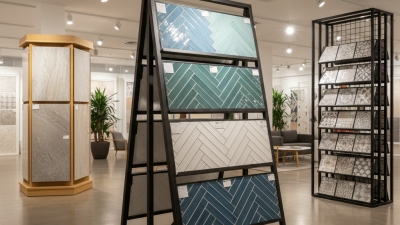
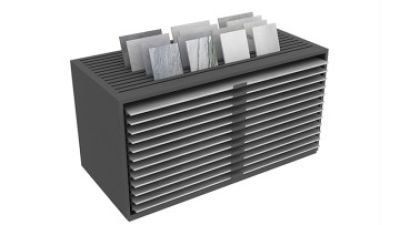
In today's fast-paced market, maximizing your space is crucial, especially in the realm of interior design and construction. The Premium 12-Layer Table for tile samples exemplifies versatility by providing an organized, efficient way to showcase a variety of materials. A well-structured display can significantly enhance customer experience; research by the American Institute of Architects indicates that effective material presentation can increase customer decision-making efficiency by up to 30%. This table not only offers ample layering for diverse tile samples but also maintains an aesthetically pleasing design that complements any showroom or office environment.
Furthermore, the adaptability of the Premium 12-Layer Table caters to different requirements. Customization options concerning design, size, color, material, and surface treatment mean that no minimum order quantities (MOQ) are necessary. According to a study by the National Association of Home Builders, adaptable and customizable furniture solutions have been increasingly favored, as they allow businesses to cater to specific client needs. This trend underscores the importance of having furniture that not only maximizes space but also enhances functionality and user satisfaction, making the Premium 12-Layer Table an asset for any professional setting.
FAQS
: Budgeting is vital for comparing cost-effectiveness and overall value. High prices don’t always ensure quality.
Assess if you need a durable holder for heavier tiles or if lighter options will work.
Balance affordability with practicality. Cheaper choices may lead to higher replacement costs later.
A well-chosen holder enhances aesthetics. Poor choices can cause frustration and additional expenses.
User reviews provide insights into durability and functionality, highlighting both strengths and weaknesses.
Look for installation ease and common challenges mentioned by users to prepare better.
Take notes on styles or designs suggested by other users. Consider how these could suit your project.
No, price doesn’t guarantee quality. Alternatives might perform just as well without breaking the bank.
Ignoring user feedback can lead to overlooking important details or potential issues with the product.
Engage with real-life experiences from users and reflect on their insights to guide your choices.
Conclusion
When selecting the best Wall Tile Holder for your projects, it's essential to understand the various types available on the market. Each type offers different features that cater to specific project needs. Key considerations include assessing the material quality and durability to ensure longevity, as well as evaluating the size and compatibility with the tiles you plan to use.
Budgeting effectively is crucial; you'll want to find a Wall Tile Holder that offers both cost-effectiveness and value. Additionally, reading user reviews can provide valuable insights into performance and reliability. Finally, don't overlook maintenance and care tips that can help prolong the life of your Wall Tile Holder, ensuring that it serves you well for all your tiling projects.