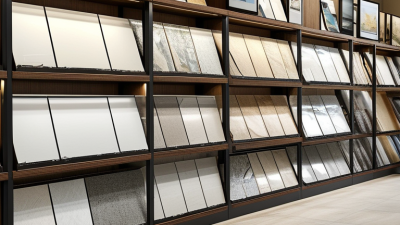
Picking out the perfect Slab Display Rack for your business isn’t just about looks — it can actually make a real difference in sales and how customers feel about shopping with you. I read somewhere (thanks, National Retail Federation!) that good visual merchandising can bump up your profits by around 20%. A tidy, eye-catching display doesn’t just catch the eye — it also gives your products prime visibility and can invite people to browse longer.
When you're on the hunt for a Slab Display Rack, keep a few things in mind: the material, the design, and how much it can hold. You’ll want something sturdy, made from quality stuff, so it can handle the weight of bigger slabs without wobbling or breaking down. Plus, a rack that’s well-designed makes your products pop and easier for customers to see. Interestingly, Statista shows that about 75% of shoppers decide what to buy partly based on how or where products are displayed — so yeah, display really does matter.
That said, not every rack out there is a perfect fit for every business. Some can be too bulky, taking up precious space that could be used for other things. Others might not match the size of your slabs or fit into your store layout. Take some time to think about your space and what your specific needs are. Investing in a rack that’s tailored to your setting can totally pay off, helping you showcase better and boost those sales more effectively.
Factors to Consider When Selecting a Slab Display Rack
When selecting a slab display rack, consider several key factors that align with your business goals. The size of the display rack significantly affects how products are showcased. Studies indicate that 70% of consumers make impulsive purchases based on product visibility. An Adjustable Display Rack For Slab allows you to adapt the height and space according to your merchandise. This flexibility can enhance both aesthetics and accessibility.
Material is another essential aspect. High-quality materials ensure durability and withstand daily wear and tear. Research shows that racks made from solid wood or metal have a longer lifespan, reducing replacement costs. Investing in sturdy materials may initially seem costly, but the return on investment can be substantial over time.
Lastly, evaluate the design and functionality of the rack. A cluttered display can deter customers. About 65% of shoppers prefer organized, well-designed displays. A minimalist design allows for better product presentation. However, an overly simplistic approach may strip away the character of your brand. Striking the right balance between style and utility is crucial for effective merchandising.
Understanding the Different Types of Slab Display Racks Available
When choosing a slab display rack for your business, it is crucial to understand the different types available. Wall-mounted racks can save floor space. They are ideal for smaller shops. These racks are often adjustable, allowing for versatile display options. Customers can see various slabs clearly.
Freestanding Display racks allow more visibility and access. They can be placed anywhere in your store. Many come with wheels for easy relocation. This type suits larger spaces where customers can walk around. Another option is tiered displays. They help showcase several slabs at varying heights, making it easy for customers to browse.
Every type has its pros and cons. Wall-mounted racks may limit what you can show. Freestanding racks could take up too much space if not placed wisely. It is essential to reflect on your store’s layout and customer flow. A well-designed display can enhance your sales. On the contrary, a poor choice may lead to wasted space and missed opportunities.
Evaluating the Load Capacity Requirements for Your Products
When choosing a slab display rack, assessing load capacity is crucial. Every product you display has a weight that affects the rack's performance. Load capacity refers to the maximum weight a rack can support without bending or collapsing. Understanding this factor prevents potential hazards and costly damages.
Different products have varying weights and sizes. For instance, a heavy ceramic tile needs a sturdy rack. On the other hand, lightweight merchandise might not require as much support. Consider the total weight of products you plan to showcase. Factor in the thickness of the items as well; thicker slabs may require more structural support. Ensure the rack you choose is rated to handle the combined weight comfortably.
It's equally important to evaluate the material of the rack. Metal racks often provide more strength than wooden ones. Yet, wood might offer a more aesthetic appeal for certain setups. Reflect on your business needs carefully. Does the rack fit well within your space while accommodating your product weight? Balancing functionality and design is a challenge but necessary for a successful display.
Load Capacity Requirements for Slab Display Racks
Assessing Rack Material and Durability for Long-Term Use
When selecting a slab display rack, the material and durability are crucial. Different materials offer distinct benefits. Steel is renowned for its strength and resistance to wear. On the other hand, wood can provide aesthetics but may not sustain heavy loads. Metal racks often withstand rugged use. Make sure to evaluate your inventory's weight and dimensions.
Durable racks save costs over time. Investing in high-quality materials prevents frequent replacements. When choosing, check for rust resistance if you’re in a humid environment. Slab Hanging Display Racks should support heavy slabs without bending.
However, it’s vital to reflect on your specific needs. A heavily loaded rack may require extra support. If the rack is for a seasonal display, lighter options might suffice. Always test the sturdiness before making a commitment. A rack's reliability impacts customer experience. Choose wisely to ensure longevity and safety.
Importance of Size and Configuration in Maximizing Space
When selecting a slab display rack, size and configuration are crucial. A report by the Retail Industry Leaders Association indicates that effective space management can boost sales by up to 30%. Understanding your available space helps ensure that products are displayed efficiently. A rack that fits snugly into your layout maximizes visibility and accessibility.
Configuration matters just as much. According to industry studies, the right configuration can enhance customer flow. For instance, U-shaped configurations often encourage browsing, while straight racks might streamline transactions. It’s essential to analyze your store's layout carefully. A design flaw can lead to reduced sales. Are your displays cluttered? Are customers easily able to navigate?
Incorporating adjustable shelves allows flexibility. This can accommodate various product sizes, ensuring everything is within reach. On the flip side, not all racks offer this feature, leading to wasted space. Choosing the right combination of size and configuration could mean the difference between a thriving display and one that falls flat. Aim for a setup that complements your offerings while being mindful of optimizing every square foot.
Analyzing Cost vs. Quality: Finding Budget-Friendly Options
When it comes to selecting a slab display rack, balancing cost and quality is crucial. A study from the Retail Display Association revealed that businesses spend an average of 10% of their annual budget on Display Fixtures. This can quickly escalate with high-quality racks that promise durability and aesthetic appeal. However, many budget-friendly options do not compromise on functionality.
In recent years, the demand for Large Slab Racks has surged. These racks are often built to store heavier materials effectively, making them essential for specific businesses. A report from the American Institute of Steel Construction noted that investing in the right display racks can increase sales by up to 30%. Yet, choosing the cheapest option may lead to losses. When racks collapse or don’t withstand the test of time, the costs can surpass initial savings.
Consider the materials and construction methods used in different slab racks. Metal racks tend to offer better longevity but often come at a higher price. Meanwhile, composite options might be more economical but could suffer under weight. This highlights the need for careful evaluation. If a Large Slab Rack is not sturdy enough, it can hinder customer access to products, ultimately affecting your sales. Understanding your inventory needs and budget constraints is essential in making an informed decision.
Exploring Customization Options for Unique Business Needs
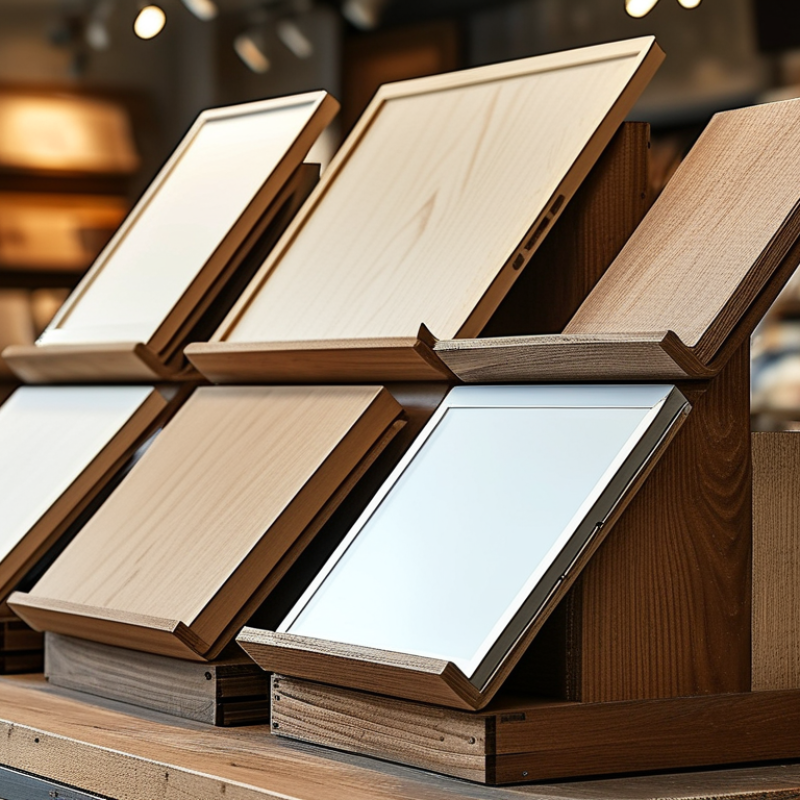
Customization options for slab display racks can significantly enhance your business's visual merchandising. A Thin Slab Rack, for instance, can be tailored to fit narrow spaces while maximizing product visibility. Selecting the right materials is crucial. You might choose wood for warmth or metal for a modern feel. The finish can also be customized, from glossy to matte, catering to your brand's aesthetic.
Consider the layout as well. An adjustable Slab Rack can empower you to showcase different products effectively. Adding features like signage holders or integrated lighting can improve customer engagement. Reflect on your brand's identity and market positioning. Does your current display align with your image? If not, it may be time to rethink.
Color choices matter, too. Each hue evokes specific emotions. A vibrant palette might attract attention, while muted tones can convey elegance. Keep in mind; customization should reflect not just current trends but also your unique selling points. This approach can lead to an eye-catching display that resonates with customers. Experimentation can uncover new ideas, but it's essential to balance creativity with practicality.
How to Choose the Best Slab Display Rack for Your Business? - Exploring Customization Options for Unique Business Needs
| Rack Type | Material | Weight Capacity | Customization Options | Best For |
| Heavy-Duty Rack | Steel | 1,500 lbs | Color, Size, Shelving Configurations | Grocery Stores, Warehouses |
| Glass Display Rack | Glass & Aluminum | 200 lbs | Lighting, Branding, Color | Retail Boutiques, Showrooms |
| Mobile Display Rack | Plastic & Metal | 300 lbs | Size, Wheels, Color | Events, Trade Shows |
| Modular Rack | Wood & Metal | 500 lbs | Configuration, Color, Branding | Cafes, Bookstores |
FAQS
: Load capacity ensures a rack supports products without bending or collapsing. This prevents hazards and damages.
Consider the combined weight and thickness of your products. Choose a rack rated for that total weight.
Metal racks offer strength, while wood can provide aesthetic appeal. Think about your business's needs.
A well-sized rack fits snugly in the space, maximizing product visibility and customer accessibility.
The right configuration improves customer flow. U-shaped racks encourage browsing, while straight racks speed up transactions.
Adjustable shelves accommodate different product sizes. Without this, you may waste valuable space.
Yes. Cluttered displays can hinder navigation, reducing sales opportunities.
Balance is key. A good display should look appealing and function effectively to support products.
Using an unsupported rack can lead to accidents, damaging both the products and the rack itself.
Analyze layout, use appropriate sizes, and consider configuration to optimize every square foot effectively.
Conclusion
Choosing the right Slab Display Rack for your business is crucial for effective product presentation and maximizing space utilization. Key factors to consider include the different types of racks available, which vary in style and utility, as well as evaluating the load capacity to ensure your products are adequately supported. Durability and material are essential for long-term use, so selecting a robust rack that can endure daily wear and tear is important.
Additionally, the size and configuration of the Slab Display Rack must align with your space requirements to optimize layout. When it comes to budgeting, it's vital to analyze the cost versus quality to find options that are both economical and reliable. Finally, exploring customization options allows for tailoring the display racks to meet the unique needs of your business, ensuring that your products are showcased effectively and attractively.