When you're trying to pick out the best Showroom Racking, expertise really matters. I mean, Joe Thompson from Display Solutions Inc. once said something like, "Choosing the right Showroom Racking can totally transform your display space into something much more engaging." That really hits home — it's all about understanding what you actually need and knowing what options are out there.
Showroom racking isn’t just about storing stuff; it’s about shaping how customers see and access your products. The right setup can boost visibility and even help with making sales. But honestly, deciding what to go for can be pretty overwhelming—there are so many styles, materials, and configurations. It’s easy to feel a bit lost in all the choices.
Looking back, many businesses realize they underestimated what they truly needed. They often overlook just how much good design in showroom racking can make a difference. Jumping to conclusions about size and capacity without thinking it through can lead to all kinds of inefficiencies. The key is learning from those mistakes, right? You’ve got to look at both the functionality AND how it looks. Because at the end of the day, a well-designed showroom can do a lot to really grab your customers' attention.

Understanding your space requirements is crucial when choosing showroom racking. Start by measuring the dimensions of your area. This step ensures that your racking fits well. Take note of ceiling height, too. Tall displays might look impressive but can overwhelm a small space. Think about the flow of movement within the showroom. You want customers to navigate smoothly.
Tip: Visualize the layout on paper. Create different configurations. This helps you identify the most efficient use of space. Ensure your racking systems, like Carpet Roll Racking Systems, can accommodate your products without hindering accessibility.
Consider lighting as well. Properly illuminated displays can enhance visibility and interest. Shadows from racking can hide products. Experiment with different designs. You might be surprised by what works best. It’s okay to change your mind after installation. A layout that seemed perfect might not function as you hoped. Always remain open to adjustments.
When choosing showroom racking, understanding the different types available is crucial. There are various styles designed for specific needs. For instance, freestanding racks offer flexibility and easy access. Wall-mounted options, on the other hand, maximize floor space. Gondola racks are common in retail. They provide ample display surfaces.
Tips: Measure the area before selecting racks. Consider both height and width. Choose a type that fits your showroom's layout. It’s tempting to fill the space, but overcrowding can be a mistake. Leave room for movement.
Another option is adjustable racking. This type allows for modular changes as inventory fluctuates. While it seems practical, it may not always blend with a cohesive design. Think about how the racks enhance the overall aesthetic. Why does it feel important? It’s about creating a welcoming environment.
Tips: Evaluate material durability. Metal racks last longer, but wood can offer warmth. Remember the visual appeal when choosing. It matters for customer engagement. Aesthetic should not be an afterthought. Sometimes, practical choices can lead to reflection on design harmony.
When selecting showroom racking, assessing load capacity and durability is crucial. The load capacity refers to the maximum weight a racking system can safely hold. According to the Material Handling Industry of America, proper understanding of load ratings can prevent serious accidents. A racking system with inadequate load capacity can result in collapses. This poses risks not only to products but also to staff and customers.
Durability is equally important. A well-built racking system can withstand wear and tear over time. A recent study by the Rack Manufacturers Institute showed that high-quality materials can increase racking lifespan by up to 50%. Steel racking systems generally offer superior durability. However, the finish matters too. Powder-coated finishes resist scratches better than paint.
It's essential to match the racking type with your specific needs. For instance, heavy-duty racking may not always be necessary for lighter items. On the flip side, lighter racks might fail under unexpected loads. Each choice carries potential risks. Evaluating load capacity and durability helps mitigate these concerns, creating a safer environment.
When designing a showroom, aesthetics play a crucial role in attracting customers. Research shows that 74% of consumers judge a business based on its premises. The right racking system not only organizes products but also enhances visual appeal. Colors, materials, and finishes can create a specific atmosphere. A polished wood finish may evoke a sense of luxury, while metal shelving gives an industrial vibe.
Lighting also impacts aesthetic value. According to a report by the Retail Design Institute, effective lighting increases product visibility and can boost sales by up to 30%. Choosing racking that complements lighting schemes can make displays pop. However, balance is key. Overly sleek designs may feel sterile, while overly ornate racking can distract from the products.
The position of racking is another vital aspect. Proper spacing ensures that customers can explore without feeling crowded. According to industry experts, ideal aisle width should be at least 36 inches. Narrow pathways can frustrate shoppers and detract from the overall experience. Both function and aesthetics need careful consideration. If one overshadows the other, the showroom's vision may fall short.
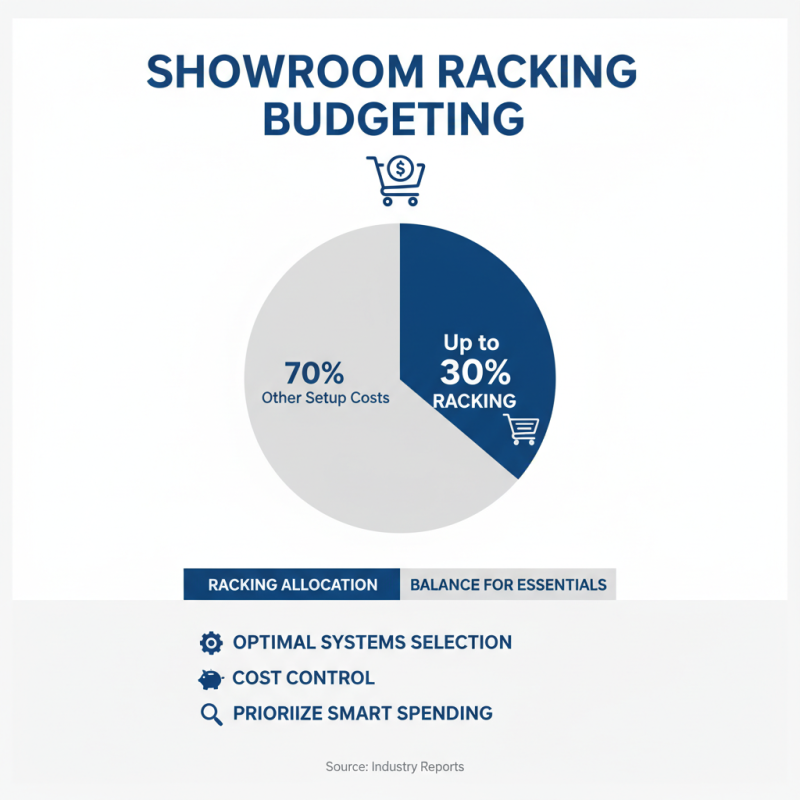
When considering showroom racking, budget constraints play a critical role. An effective budget helps in selecting optimal racking systems for your space. Industry reports indicate that racking can account for up to 30% of a showroom’s total setup costs. It’s essential to evaluate how much of your budget can be allocated to racking without sacrificing other important areas.
In many instances, businesses underestimate the costs associated with installation and maintenance. For example, costs may rise if specialized labor is required. Allocating funds for unexpected expenses is crucial. Consideration for durability can also affect initial pricing. More robust materials may cost more upfront but can lead to savings in the long run. Tile Showroom Displays often utilize a mix of functional racking and aesthetic elements. Properly budgeting for these can enhance the overall appeal while sticking to financial limits.
Additionally, obtaining quotes from multiple suppliers can highlight discrepancies in pricing. Some companies may offer lower rates but compromise quality. Always compare the cost to the potential benefits. A wise investment in quality racking can improve product visibility. This, in turn, can boost sales. Balancing quality with budget is not always easy, but it's necessary for success.
When designing a showroom, customization is key. Each space has unique requirements. A "Porcelain Tiles Showroom" can benefit from tailored racking solutions. The right display enhances product visibility. It also boosts sales. According to industry reports, well-organized showrooms can increase customer engagement by up to 30%.
Consider the layout. Is it cluttered or open? A clean design helps customers focus on products. Racking systems that adjust to the showroom's size are crucial. They maximize space without overwhelming visitors. Reports show that 75% of successful showrooms utilize adjustable displays. This flexibility allows you to showcase seasonal trends effectively.
Color and material choices also matter. Aesthetic appeal influences purchasing decisions. For instance, a porcelain tile display might require specific lighting and background colors. Poor choices can distract from the tiles’ beauty. Some showrooms neglect these details. This oversight can lead to a less engaging experience. Balancing functionality with visual appeal is a constant challenge for many showroom managers.
Choosing the right showroom racking is crucial for maximizing space. Supplier options can vary significantly. Smaller suppliers may offer personalized service. Larger companies might provide a broader selection, but could lack personal touch.
When selecting a supplier, consider their installation services. Some suppliers can install your Showroom Tile Display Rack for you. This saves time and ensures proper setup. However, installation quality can differ. Research past customer experiences to gauge their reliability.
Here are some tips for selecting the right supplier. Assess their experience in showroom racking. Look for testimonials that reflect their work quality. Understand your own space and needs before discussing options. Clarity is vital. You may find that certain designs do not fit your vision, which requires reflection on your initial choices. Ensure the supplier accommodates your specific requirements.
: The service aims to simplify daily tasks and improve efficiency for users.
Access is available through a dedicated website or mobile app.
The service offers both free and paid plans, each with different features.
Yes, users can tailor settings to fit their preferences and needs.
You can reach out to customer support for assistance with any issues.
Yes, tutorials and guides help new users understand how to use the service effectively.
The service employs measures to protect user data, but risks always exist.
Some features may be available offline, but full functionality requires an internet connection.
Updates occur regularly to improve performance and add new features.
You can cancel your subscription anytime, but consider any ongoing obligations.
Choosing the right showroom racking is crucial for optimizing your space and enhancing the presentation of your products. Start by understanding your specific space requirements and the types of showroom racking available, including options tailored for different styles and functionalities. It's important to assess the load capacity and durability of the systems to ensure they can support your inventory and withstand daily use.
Additionally, aesthetic considerations play a significant role in showroom design, as racking needs to complement the overall ambiance. Budget constraints should also be evaluated to find a balance between quality and cost. Exploring customization options can address unique showroom needs, while reviewing various supplier choices and installation services will help in making an informed decision. By taking these factors into account, you can select the best showroom racking that enhances both the functionality and visual appeal of your space.